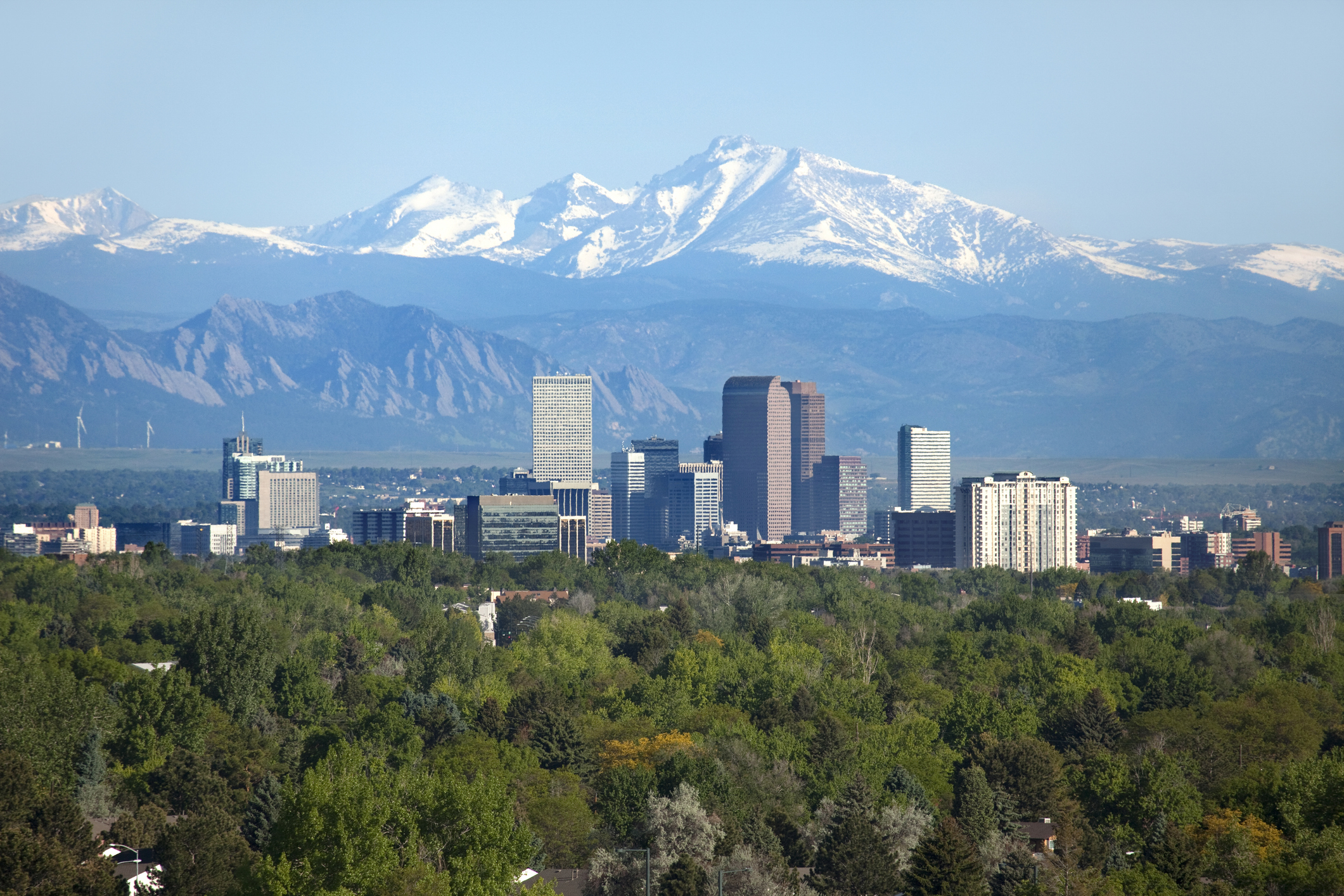

Understanding local zoning requirements helps business owners assess commercial properties before making important real estate decisions.
Over the last few years, Broomfield, CO has grown into an appealing place to live and work, drawing residents, employers, and businesses from across the Denver-Boulder corridor. For small business owners, that growth creates opportunities, but finding the right commercial property means looking beyond its location or asking price.
Whether you’re considering a storefront, office, workshop, or commercial investment, understanding Broomfield commercial zoning laws can help you determine whether a space fits your plans before you sign a lease or make an offer.
KEY HIGHLIGHTS
-
- Zoning determines which business activities are allowed at a particular address.
- A previous tenant’s use does not guarantee approval for yours.
- Parking, signage, building layout, and site conditions can affect a property’s suitability.
- Confirm zoning and approval requirements before signing a lease or making an offer.
📋 TABLE OF CONTENTS
- Start with the zoning district, not the listing description
- Consider how site rules affect business operations
- Check the business address with Broomfield Planning
- Find out whether your plans need special approval
- Match the location to the way your business works
- A commercial property checklist for business owners and investors
- Frequently Asked Questions
- Navigate Broomfield’s commercial zoning with The Trinity Team
Start with the zoning district, not the listing description
Broomfield commercial zoning laws divide properties into districts, each with rules for permitted business activities.
Two nearby properties may offer very different options, even if both listings describe them as retail, office, or industrial space.
Common designations include:
| ZONING DISTRICT | WHAT IT ALLOWS |
|---|---|
| B-1 Limited Business | Intended for convenience-oriented businesses and services serving nearby residents. Some neighborhood shops and professional services may qualify. |
| B-2 General Business | Allows a broader range of commercial activity, subject to the district’s permitted-use rules. |
| MU-1 and MU-2 Mixed-Use Districts | Combine commercial and other uses, with standards that may vary by development. |
| I-1, I-2, and I-3 Industrial Districts | Accommodate different types and intensities of industrial or business-park activity. |
| Planned Unit Developments (PUDs) | May have approved plans and property-specific conditions that affect permitted uses and development standards. |
| Legacy Zones | Some parcels retain older county zoning designations, which may have rules that differ from the city’s standard districts. |
✅ WHAT BUSINESS OWNERS CAN DO BEFORE CONTACTING BUSINESS PLANNING – Prepare your business profile
When inquiring about a property, provide Broomfield Planning with a written description of your day-to-day operations. Including the following details will help staff quickly confirm if the location fits your needs:
- Core business activities: Explain exactly what your business does.
- Customer traffic: Detail expected customer visits and peak hours.
- Deliveries & shipping: Specify the frequency and vehicle types (e.g., box trucks, couriers).
- Equipment used: List any heavy machinery, specialized tools, or high-power equipment.
- Outdoor operations: Describe any outside storage, seating, or exterior work areas.
Consider how site rules affect business operations
Broomfield regulates more than the type of business that can occupy a property.
Development standards also cover parking, building dimensions, setbacks, signage, and outdoor activity. Even an allowed use may require changes to the site or building before the property can support your operations.
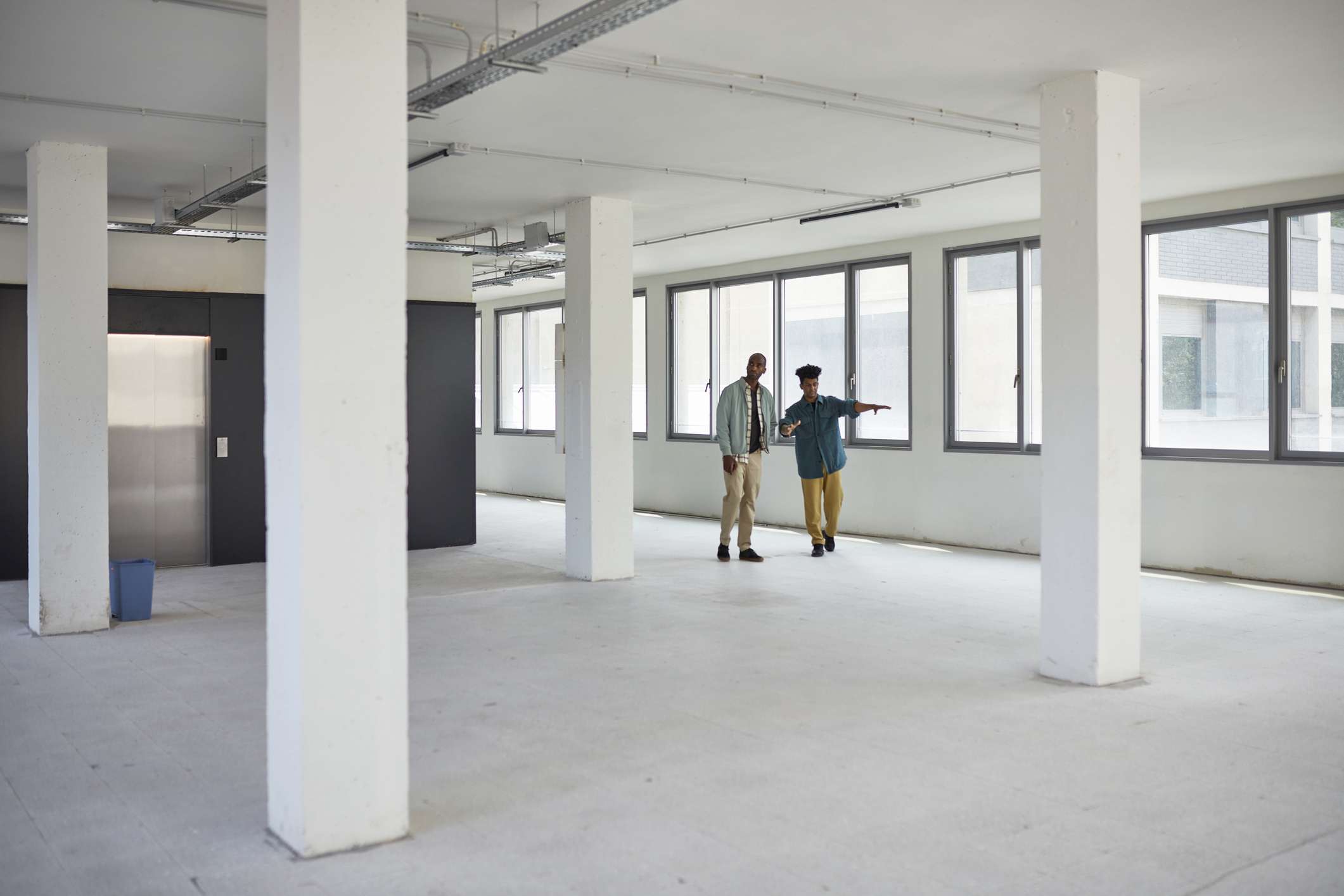
Site standards influence whether a commercial property can accommodate parking, signage, access, and planned business operations.
If you’re considering a business space for lease in Broomfield, review these requirements alongside the property’s permitted use.
Pay particular attention to:
- Parking and access: Required spaces, accessible stalls, loading areas, and driveway circulation can affect customer visits and deliveries.
- Setbacks and building dimensions: Property-line distances, height limits, and lot coverage may restrict additions or exterior improvements.
- Signs: Size, placement, lighting, and design may be regulated. An existing sign does not guarantee approval for a larger replacement.
- Outdoor activity: Patios, merchandise displays, equipment, and exterior storage may require additional approval or screening.
✅ WHAT BUSINESS OWNERS CAN DO TO AVOID A COSTLY LEASE MISTAKE
Take these concrete steps before signing any contract:
- Request official documents: Ask the landlord or city for the approved site plan, building permits, and historical occupancy records.
- Run a reality check: Compare those official maps against your intended layout, proposed signage, and daily parking needs.
- Cross-reference operations: Ensure your everyday workflow does not conflict with the property’s legally permitted uses or structural limitations.
Check the business address with Broomfield Planning
The Planning Research Map identifies a property’s zoning, subdivision, and parcel information by address. Use it to find the designation, then ask city staff which rules apply. This is particularly important for older properties and parcels with special zoning conditions.
Zoning is only one part of commercial property regulations in Colorado. Depending on your business, you may also need building permits, a certificate of occupancy, sales tax registration, food-related approvals, or an activity-specific license.
Broomfield does not require a general city business license, but businesses may have separate state registration obligations based on their structure and activities.
When reviewing Broomfield commercial zoning laws, check the documents governing the property:
- Title 17: Contains the city’s standard zoning regulations, including district requirements and permitted uses.
- Title 16: Covers subdivision matters that may affect how a parcel is configured or developed.
- Legacy county regulations: Some properties retain older zoning designations, which may appear with letter suffixes on the map.
- PUD documents: May contain approved uses and development standards that differ from general district rules.
✅ WHAT BUSINESS OWNERS CAN DO NEXT – Document everything
When you finish researching a property, save a copy of these 4 files:
- The Planning Map: The final screenshot or PDF from the city’s online research map.
- The Parcel Info: The official property ID number and its zoning designation (like “C-1” for commercial).
- The Zoning Rules: The specific city code sections that apply to your business type.
- City Correspondence: Any emails, letters, or written advice you received from the Planning department.
💡 PRO TIP: File these records directly with your final lease or purchase contract. They protect your business if zoning rules change later!
Find out whether your plans need special approval
Some activities require additional approval under Broomfield commercial zoning laws, even when a property is in a commercial district.
Depending on the proposed use and applicable rules, you may need conditional use approval, a variance, or rezoning.

Confirming approval requirements early helps buyers understand potential delays, costs, and conditions before committing to a property.
The special approval serves different purposes:
- Conditional use approval: May allow an activity that requires additional review, potentially with conditions involving hours, traffic, noise, parking, or screening.
- Variance: Requests relief from a specific zoning requirement. It does not automatically permit a use prohibited by the district.
- Rezoning: Changes the property’s designation and generally involves formal review and public input.
✅ WHAT BUSINESS OWNERS CAN DO NEXT – Protect your business before signing
Do not sign a lease or purchase contract blindly. Take these two protective steps first:
- Ask for the exact path: Contact the Planning department to find out the specific approval process you need and how long it takes.
- Add a safety net to your contract: Because city approval is never guaranteed, always insert a zoning contingency clause into your lease or purchase agreement. This clause lets you legally cancel the contract and get your deposit back if the city denies your business use.
Match the location to the way your business works
The best commercial location depends on how customers, employees, and suppliers will use the property.
Broomfield has established employment centers, retail destinations, and developing mixed-use areas. Their existing businesses, planned improvements, and surrounding neighborhoods can help you assess whether a location fits your plans.
When comparing a business space for lease in Broomfield, consider your likely customers and their routes to the property. A neighborhood service may rely on convenient parking, while an office may prioritize employee access and a workshop may need loading space.
Locations you may want to check out:
- Interlocken: This established technology and professional employment campus south of U.S. 36 may suit businesses serving corporate clients and employees.
- FlatIron Crossing: The retail destination has redevelopment plans involving dining, retail, entertainment, housing, and gathering spaces. Distinguish proposed additions from existing amenities when evaluating the area.
- Baseline Center Street: Planned as a shopping, dining, and cultural hub in northeast Broomfield. Its future development may interest businesses considering emerging commercial areas.
- Nearby residential communities: Local households can support restaurants, personal services, and neighborhood retailers. Parks and open lands also contribute to the character of surrounding areas.
✅ WHAT BUSINESS OWNERS CAN DO – Audit their target location
Before committing to any space, do physical groundwork to verify the location works in the real world:
- Time it right: Visit the property during your expected peak business hours to observe true conditions.
- Analyze the traffic: Watch the flow of cars and pedestrians. Is it busy when you need it to be?
- Test the parking: Are there enough open stalls for clients, or will they struggle to find a spot?
- Check accessibility: Drive the route yourself. Look for easy turn-ins, clear sightlines from the main road, and nearby public transit stops.
- Audit the neighbors: Look at adjacent businesses. Do they complement what you do, or are they direct competitors?
A commercial property checklist for business owners and investors
Buying Broomfield, CO commercial real estate for sale calls for due diligence beyond zoning approval.
Use this checklist to evaluate the property before making a commitment:
Review ongoing costs
Account for property taxes, insurance, utilities, maintenance, common-area charges, and any applicable association or district fees.
Inspect the building
Check the roof, HVAC, plumbing, electrical systems, accessibility, and other features that could require costly repairs.
Examine the lease or purchase terms
Review responsibility for repairs, improvements, property maintenance, and other expenses before agreeing to the contract.
Evaluate tenant flexibility
Investors should consider whether the property’s layout and location could appeal to businesses in more than one industry.
Study nearby commercial activity
Look at surrounding businesses, vacancies, planned developments, and access to potential customers when assessing demand.
Estimate improvement costs
Budget for renovations, equipment, signage, and other changes needed to prepare the property for occupancy.
FREQUENTLY ASKED QUESTIONS
Can I open any type of business in a Broomfield commercial-zoned property?
No. A commercial address in Broomfield does not guarantee your specific business operations are allowed. Permitted uses are strictly dictated by local district rules, Broomfield Planned Unit Development (PUD) conditions, and site-specific approvals. Always have the Broomfield Planning Division review your exact daily operations before committing to a space.
Does an active, existing business prove that my use is legally compliant in Broomfield?
No. Never rely on the operational status of a previous Broomfield tenant. The prior business may have operated under a legacy exemption, variance, or a legal nonconforming (“grandfathered”) status unique to them. Any change in the business model, hours, or operational intensity triggers a mandatory new compliance review by the city.
Can I sign a lease while Broomfield zoning approval is pending?
You can sign a lease while Broomfield zoning appeal is pending if your contract includes a Broomfield-specific zoning contingency. While you can safely negotiate lease terms, never sign an unconditional contract if your business relies on local municipal approval to open. Ensure the lease clearly outlines project deadlines, who pays for required property upgrades, and an explicit right to cancel if Broomfield denies your use.
Where can I get help interpreting Broomfield’s zoning rules?
You can ask for help interpreting Broomfield’s zoning rules directly with the City and County of Broomfield Planning Division. Local planning staff will point you toward the correct municipal codes, legacy regulations, and neighborhood-specific PUD documents. For broader operational rules that go beyond local land use, consult the appropriate state agency regarding commercial property regulations in Colorado.
NAVIGATE BROOMFIELD’S COMMERCIAL ZONING WITH THE TRINITY TEAM
If you’re evaluating a commercial property in Broomfield, The Trinity Team can help you assess available properties, understand the local market, and identify questions to raise before you commit.
Call our team at 303.539.5468 or send an email today so we can discuss your plans.